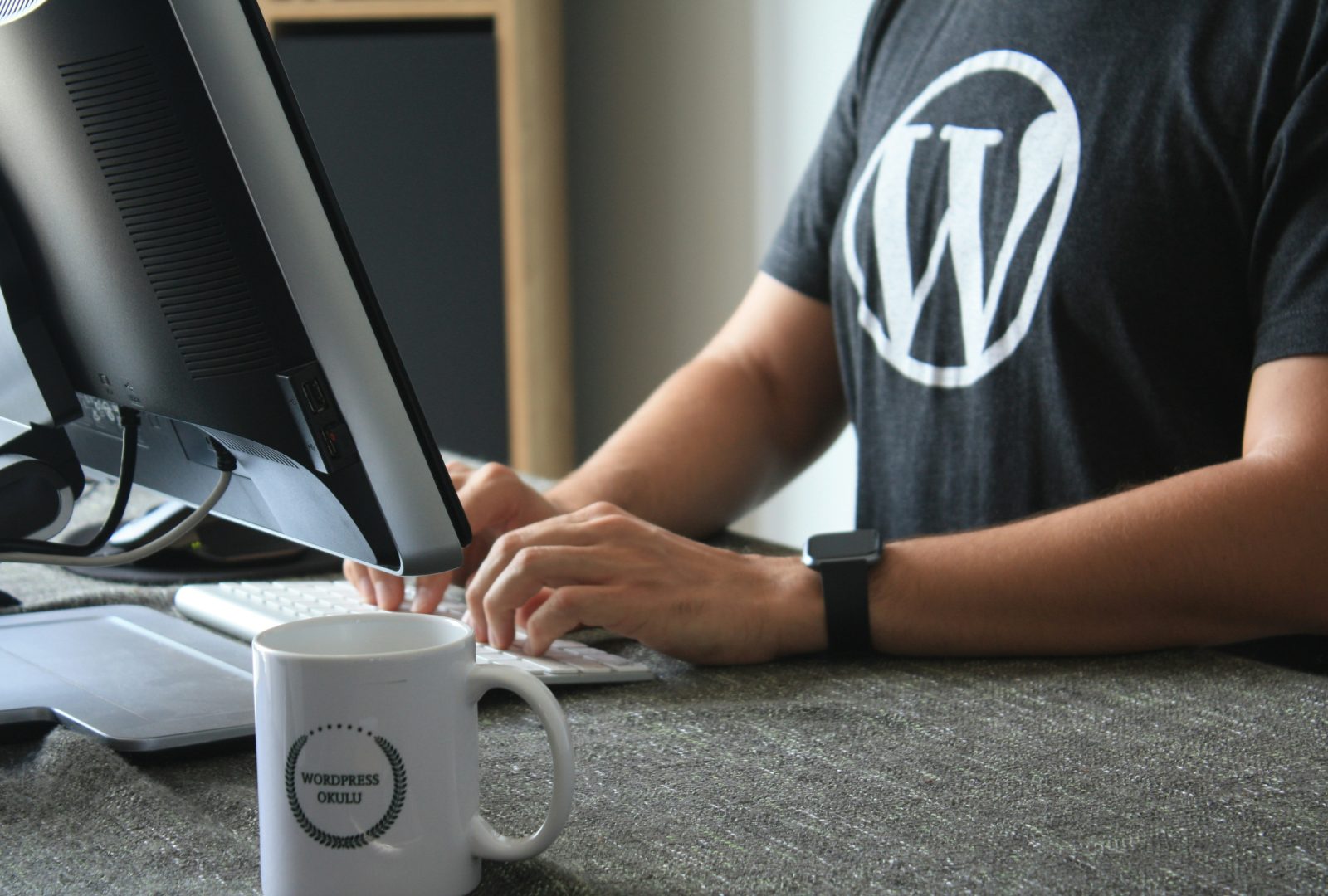

WordPress Development
WordPress is one of the most commonly used content management systems in the world, with capabilities far exceeding its blogging history. Today, 25% of all websites around the world use WordPress as a website builder.

What we can do for you
Rescue an existing WordPress site
Is your current WordPress website not working as well as it should be? Speed issues? Difficult to update? Old design?
As a professional WordPress Development agency based in London, we can help you upgrade and polish your website for optimum usage.
Create a new website from scratch
WordPress is a fantastic CMS for most website requirements.
We can advise on which platform is best for you. We have designed and built hundreds of WordPress websites over the last 20 years.
Convert from another CMS to WordPress
If you are stuck on an outdated CMS and need to convert, we can help. WordPress is easy to use, fast and SEO friendly if implemented correctly.
Sometimes plug-ins exist to easily convert from systems like Joomla and Droopal to WordPress, so converting can be easier than you think.
So why do people love WordPress so much?
WordPress’ website design & development is effective and flexible – thanks to the overall design of the platform and the simplicity of the back end.
WordPress affords you complete control over your website and makes editing, uploading and insertions both easy and accessible.
Even the most technologically-averse users manage to upload copy and images easily. Most WordPress themes are also fully responsive.
So whether your site is being viewed on a desktop, laptop or handheld device, your visitor’s experience is always a positive one.
A choice of themes
Another exciting factor about WordPress is the number of themes available – some free and some paid for – and for specific industries too.
From simple and minimal themes to all-singing themes with bells and whistles: each one can be customised in terms of colours, images and layout to reflect your branding and your organisation.
The power of plugins
Wait, there’s more! Something else that makes WordPress so popular are plug-ins and widgets. Made by the WordPress community – a group of developers and all round web wizards – these little add-ons can make a massive difference to your website’s capabilities.
Each plug-in is also subject to a voting system. So the more popular the plug-in, the higher the rating.
This means that popular plug-ins have been tried and tested by thousands of users and are safe to use on your site. What’s more, they’re regularly updated, too.
Should I choose WordPress as my website platform?
At Datadial, we have worked with hundreds of WordPress sites in the past. As a result, we know what works and what doesn’t.
WordPress does have its limitations – or rather its own idiosyncrasies – and that means it’s not always the best platform for certain projects.
Talk to us about what you need for your website, and we’ll always advise you on the best platform to use.
This means that popular plug-ins have been tried and tested by thousands of users and are safe to use on your site. What’s more, they’re regularly updated, too.


1. How much does a website cost?
Our pricing for professionally built WordPress and Woo-commerce websites typically starts at around £7,500 for a high-quality brochure-style site. More complex projects—such as custom WordPress theme development or fully bespoke builds —generally begin from £15,000 and go upward depending on your requirements. Because every website is different, your final quote will be shaped by your goals, desired features, and the level of customisation needed. The easiest way to get an accurate cost is to book a free consultation with us. We’ll advise you on the best route, whether that means theme customisation, custom development, or a full WordPress build from the ground up.
2. How long does it take to develop a website?
Time frames vary based on the size and complexity of the project. As a guideline, a standard small- to medium-sized WordPress build typically takes about 6–10 weeks from initial planning to launch—assuming all content is supplied upfront. More sophisticated projects, including custom-coded functionality or full theme development, may require additional time due to the specialised elements involved.
3. How will we communicate during the project?
Most communication happens through Zoom, Google Meet, or email. Project management is via Dev-ops. This ensures discussions remain organised and easy to reference. You’ll also have direct access to the developer working on your custom WordPress theme or build. Our aim is simple: clear, consistent communication so you’re always informed about progress.
4. What do you need from me before we begin?
What we require depends on your project’s scope, but we generally ask for: Your branding elements (logo, fonts, colour palette, guidelines) Website content (copy, downloadable files, documents) High-quality images or videos of your products, services, or team Team profiles or company background information Access to your current site or hosting, if relevant If you’re still preparing materials, that’s completely fine. We can support you with content creation as well as UI/UX design to ensure your WordPress site is polished, professional, and user-friendly.
5. Can I make updates to my site once it’s launched?
Absolutely. All our WordPress websites are built with custom theme development and thoughtful theme customisation, making it easy for you to manage your content. You’ll be able to update text, swap out images, publish blog posts, and more—no technical expertise needed. We also provide training so you feel completely comfortable using your site. For more complex changes, we offer ongoing support through our WordPress development retainers.
6. Where are you based?
We are based in the UK, we use UK and non UK developers depending on the project requirements.
Let Datadial help bring your next project to life. Just get in touch today on 0208 6000 500 and ask us about:
- Developing online software
- Turning your great online idea into reality
- Automating existing processes
- Integrating disparate and legacy systems
- Building an e-commerce site
- Designing your website